
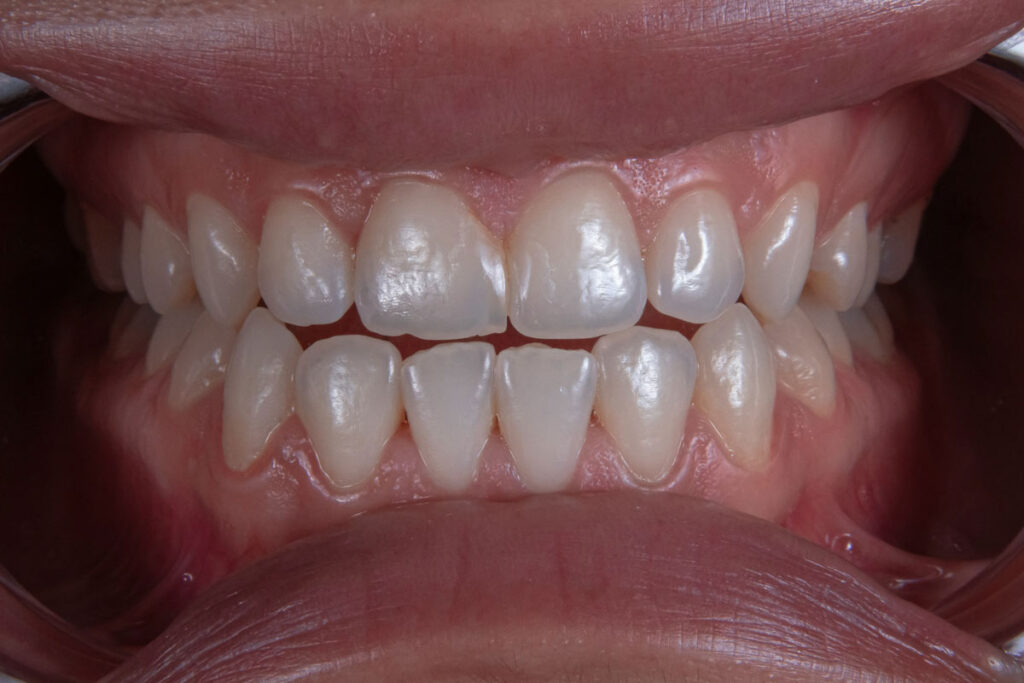
Bleeding gums are among the most common warning signs in the mouth, yet many people underestimate them. Perhaps you know the situation: while brushing your teeth, you suddenly see blood in the sink. Or the dental floss turns slightly red when you use it. This is often initially dismissed as harmless. Yet this is exactly where, in many cases, a development begins that can lead to serious problems without treatment.
In our dental practice in Ingolstadt, we regularly see how important it is to respond to such symptoms early. Because bleeding gums are rarely a coincidence. In most cases, they are a sign that something in the mouth has fallen out of balance.
In this guide, you will learn the most important facts about bleeding gums: from the causes and the right way to assess them to treatment options and preventive measures. The aim is to give you a clear understanding and to show when it can make sense to see a dentist in Ingolstadt.
Why bleeding gums can be a warning sign
Healthy gums are firm, pale pink and generally do not bleed. If bleeding does occur, this is often an indication of inflammation. In most cases, this inflammation is caused by bacterial plaque that accumulates along the gum line.
This plaque consists of bacteria, food residues and metabolic products. If it is not removed regularly, it can irritate the gums. The body responds with inflammation, and it is precisely this that leads to the typical signs such as redness, swelling and bleeding.
Many people ignore these first signs. Yet right now is the point at which treatment can be particularly simple and gentle.
Healthy gums do not bleed. If they do, it is almost always an early signal from the body – and right now it is easiest to respond to it.
The most common causes of bleeding gums
Bleeding gums can have various causes. In most cases, a combination of several factors is involved.
Inadequate oral hygiene
The most common cause is inadequate or irregular dental care. If dental plaque is not removed completely, bacteria build up along the gum line and can trigger inflammation.
Tartar
Tartar forms when plaque mineralises. It provides a rough surface on which even more bacteria can settle. This can intensify inflammation.
Incorrect brushing technique
Scrubbing too hard or using hard toothbrushes can additionally irritate the gums. At the same time, not all areas are cleaned thoroughly in the process.
Hormonal changes
During pregnancy or puberty, the gums often react more sensitively to bacterial irritation. This can cause bleeding to occur more quickly.
Stress and the immune system
A weakened immune system or chronic stress can impair the body's defences in the mouth and promote inflammation.
Smoking
Smoking affects the blood supply to the gums and can mask or aggravate inflammation.
From gum inflammation to periodontitis
Many people are not aware that bleeding gums are often the first step in a longer development. So-called gingivitis (gum inflammation) is often reversible in its early stages, which means it can heal completely under the right conditions.
If left untreated, however, it can progress to periodontitis. This is a chronic inflammation of the periodontium (the tissue that holds the teeth in place). Over time, not only the gums but also the bone that holds the teeth can be damaged. In the long term, this can lead to loose teeth and, in unfavourable cases, to tooth loss.
This is precisely why it makes sense to take the first signs seriously and act early. You can read more about how targeted periodontitis treatment works on our treatments page.
Typical symptoms – what to look out for
In addition to obvious bleeding gums, there are other signs that can indicate inflammation:
- reddened or swollen gums
- sensitivity when brushing your teeth
- persistent bad breath
- receding gums
- exposed tooth necks
- changes in your bite
If you notice one or more of these symptoms, it may be advisable to make an appointment with your dentist in Ingolstadt.
When an appointment makes sense
A one-off, slight bleed can be harmless. However, if your gums bleed regularly or heavily, an examination is recommended.
An appointment is particularly advisable if:
- your gums bleed for several days
- pain occurs
- bad breath persists
- your gums visibly change
In our dental practice in Ingolstadt, we place great importance on recognising such problems early and treating them in a targeted way.
Diagnosis at the dentist
During an appointment, the condition of your gums is first examined closely. Among other things, the following is checked:
- the depth of the gum pockets
- the presence of tartar
- the degree of inflammation
To examine the gum pockets, a fine, blunt measuring probe is used. It shows how deep the gap between the tooth and the gum is. Values of up to about three millimetres are considered normal; deeper pockets indicate an advanced condition. This measurement is gentle and provides a reliable picture of the condition of the periodontium.
Based on this information, an individual assessment can be made and a suitable treatment plan drawn up. This also makes it possible to determine whether a professional dental cleaning is sufficient or whether further therapy is advisable.
Treatment options for bleeding gums
Professional dental cleaning
In many cases, a professional dental cleaning is the first and most important step. Bacterial plaque and tartar are thoroughly removed, including in places that are difficult to reach with a toothbrush, such as between the teeth and just below the gum line. The teeth are then polished so that new plaque finds it harder to adhere. In the case of pure gum inflammation, this, combined with good home care, is often enough for the tissue to heal.
Periodontitis treatment
In cases of advanced inflammation, targeted therapy may be advisable to remove bacteria and hard deposits below the gum line as well. The root surfaces are carefully cleaned and smoothed so that the gums can reattach. Depending on the findings, progress is monitored over the following months to secure the result.
Individual advice
An important part of treatment is guidance on proper oral hygiene, tailored to your personal situation.
What you can do yourself
In addition to treatment at the dentist, your daily care plays a central role:
- brush your teeth thoroughly twice a day
- clean between your teeth (e.g. with dental floss or interdental brushes)
- attend regular check-ups
- maintain a balanced diet
Even small changes in everyday life can make a noticeable difference in the long term. It is important not to fall into the reflex of cautiously avoiding a bleeding area. This is exactly where the plaque that causes the inflammation accumulates. Gentle but thorough cleaning usually allows the bleeding to subside within a few days.
Practice tip: Soft bristles, gentle pressure
Choose a soft to medium toothbrush and guide it along the gum line with small, circular movements instead of scrubbing hard. Deliberately include bleeding areas when cleaning – not less. If the bleeding does not subside after about two weeks, you should have it checked by a dentist.
The role of preventive care
Regular preventive care is an important building block for long-term dental health. In our dental practice in Ingolstadt, we generally recommend having a professional dental cleaning once or twice a year. This often allows potential problems to be recognised early, before they get worse.
Conclusion
Bleeding gums are a warning sign to be taken seriously and should not be ignored. The earlier the cause is identified, the simpler and gentler treatment can generally be.
If you suffer from bleeding gums or are unsure, we recommend making an appointment with your dentist in Ingolstadt. Early treatment supports not only your teeth, but your entire oral health.